
Stink Bugs: Why They Invade Homes and What You Can Do About Them
While stink bugs don’t bite or damage homes, they can be unpleasant to deal with and difficult to control once they get inside. Understanding why stink bugs enter homes and how to prevent them can help reduce ongoing issues.
What Are Stink Bugs?
Stink bugs are shield-shaped insects best known for the strong odor they release when crushed or disturbed. Stink bugs are primarily outdoor insects that feed on plants, fruits, and vegetation.
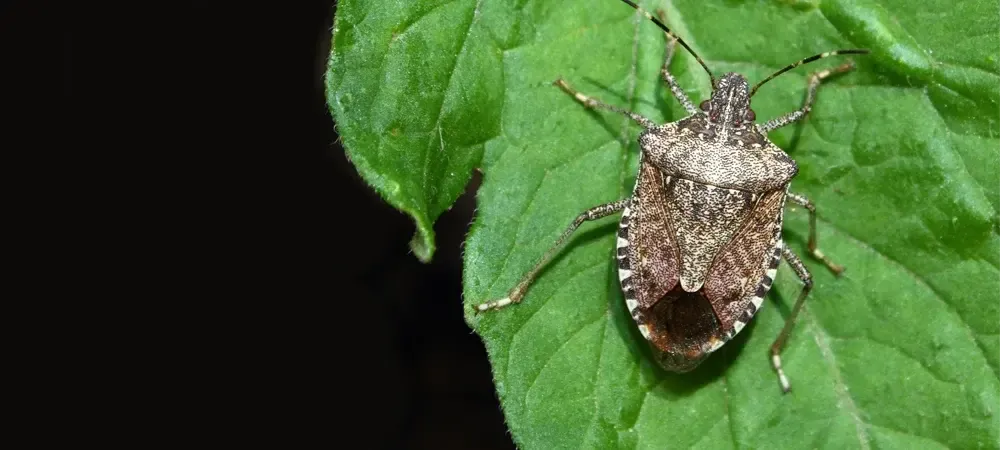
The most common species homeowners encounter is the brown marmorated stink bug (as pictured). They typically become a problem inside homes when seasonal changes push them to seek shelter.
Why Do Stink Bugs Come Inside Homes?
As temperatures cool, they look for warm, protected places to overwinter. Stink bugs usually enter homes in late summer and fall. Homes provide ideal conditions, especially areas that stay dry and undisturbed.
Common reasons stink bugs end up indoors include:
- Cooling outdoor temperatures
- Cracks or gaps around doors, windows, and siding
- Utility openings or vents that aren’t fully sealed
- Light-colored exterior walls that attract them during warmer days
Are Stink Bugs Dangerous?
Stink bugs are not considered dangerous to people or pets. They do not sting, bite, or spread disease. However, they can become a nuisance due to:
- Their strong odor when handled or crushed
- Their tendency to gather in noticeable numbers
- Repeated indoor sightings during colder months
While they don’t cause structural damage, ongoing stink bug activity can make homes uncomfortable.
Where Do Stink Bugs Commonly Hide?
Stink bugs prefer quiet, sheltered areas. Indoors, they’re often found:
- Around windows and doors
- In attics or crawl spaces
- Behind wall hangings or furniture
- Inside light fixtures or ceiling corners
Outdoors, they may gather on siding, around entry points, or near vegetation close to the home.
What Attracts Stink Bugs to a Property?
Several factors can increase stink bug activity around a home:
- Warm exterior surfaces during the day
- Nearby trees, shrubs, or gardens
- Unsealed gaps or openings
- Exterior lighting near doors and windows
Reducing these attractants can help limit how many stink bugs reach your home.
How Can Homeowners Help Prevent Stink Bugs?
Preventing stink bugs starts with limiting entry points and making the home less inviting. Helpful steps include:
- Sealing cracks and gaps around windows and doors
- Repairing damaged screens and weather stripping
- Reducing exterior lighting near entrances
- Keeping doors and windows closed when possible
Vacuuming is often the easiest way to remove stink bugs indoors, as crushing them can release odor.
Need Help With Stink Bugs?
If stink bugs are becoming a recurring issue in your home, a professional inspection can help identify where they’re coming from and how to reduce future activity. Ongoing monitoring and targeted treatments can be useful for managing recurring seasonal pests like stink bugs. Reach out to Big M Pest Control to learn more about our stink bug control or schedule a service.